Consume less, create more
I’ve got a note on my monitor at home with those four words written on it. It’s not the first way I’ve articulated this idea to myself, but it’s a helpful reminder especially when our screens can lead us into mindless consumption, and I’m not just referring to shopping.
Early last fall, my dog Bryson slipped a disc in his neck and required two surgeries a week apart. He’s a lovely dog and recovery rates from that type of surgery are excellent, so the answer - despite the expense - was to go ahead and keep him moving. The alternative was a quick onset paralysis and euthanasia.
What followed was a long road to recovery. He’s doing very well, but he’s not back to what he was. This has aged him. He’s also 10 years old, so he was going to slow down at some point anyway.
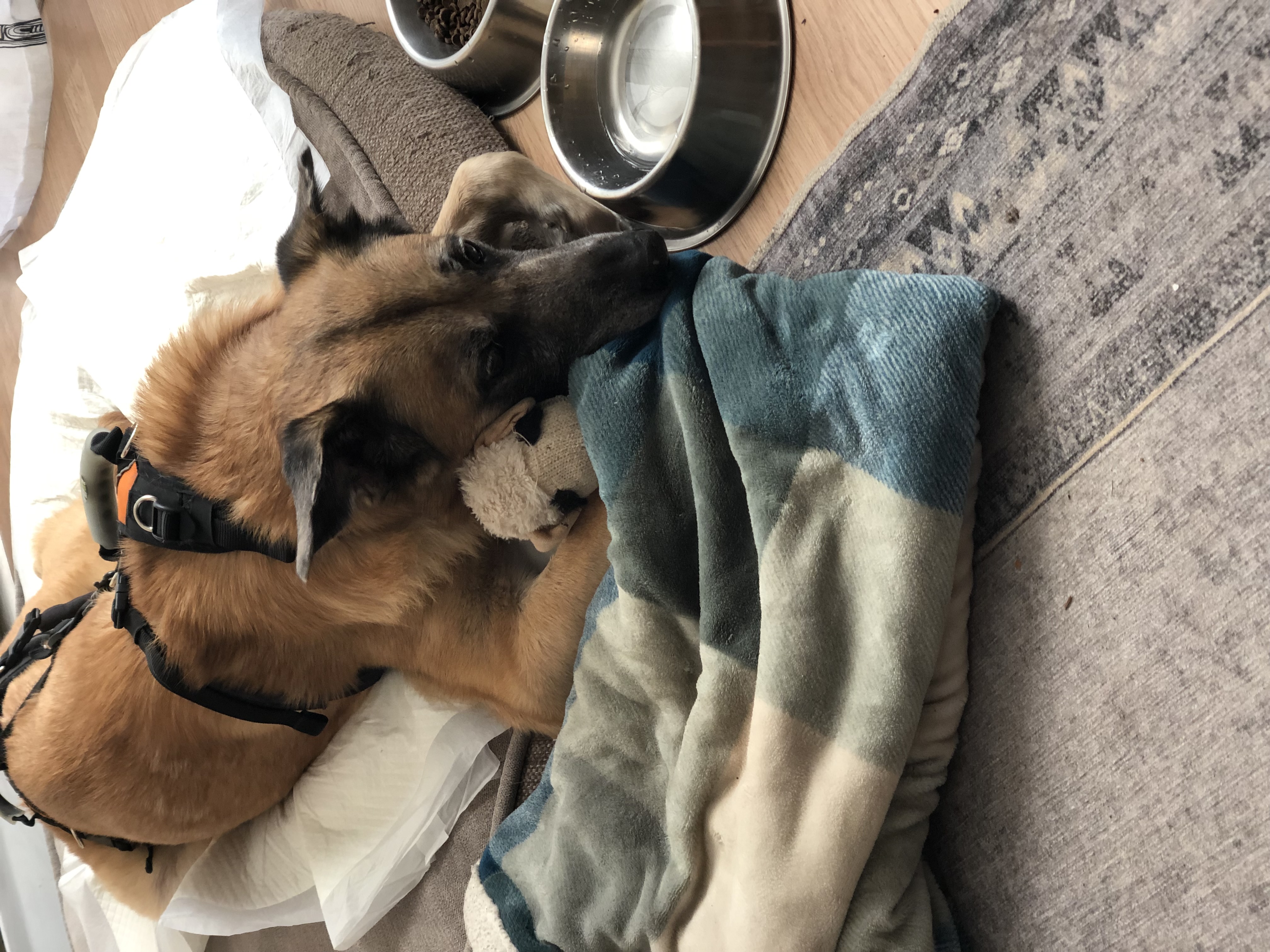
For the first few weeks, he was unable to move. I had to roll him over on his bed to prevent sores, clean up after he soiled himself, something that happened frequently as his cocktail of drugs include muscle relaxers. Because of his needs, I just wasn’t getting out much. Friends dropped by so I could sneak away for short bike rides around the block, but mostly there was a lot of downtime.
That led to a lot of reflection and also a lot of media consumption (aka streaming ALL the movies).
The reflection is the important part. I had time to think hard about my priorities, and how as Bryson recovered, I should probably change how much time we spend on the couch. Some of that time shifted into longer dog walks as Bryson’s recovery has allowed. That time allows my mind to wander as I almost never bring my phone. For me, a wandering mind is the first step towards a more creative path.
When we still couldn’t get out much, I was picking up my guitar more often. I’ve never dabbled in songwriting, but it was good to use my skills to play and sing, and create in that way.
I also started to pick up my camera more often, and just after the new year I started a darkroom class at the School of Photographic Arts Ottawa. While I’ve shot photos for a long time, it’s fun to get into a part of photography I have never explored before. Shooting film is it’s own thing and many people evangelize it. I will say this, it does force me to take an extra beat to think about what I am doing, though I'm not indiscriminant with my DSLR - it's just the consequences matter less. So far, I’ve been using one of the most modern 35mm SLR cameras that exists (which is still about 25 years old) since it uses the same lens mount as my DSLR. That’s made the transition familiar.
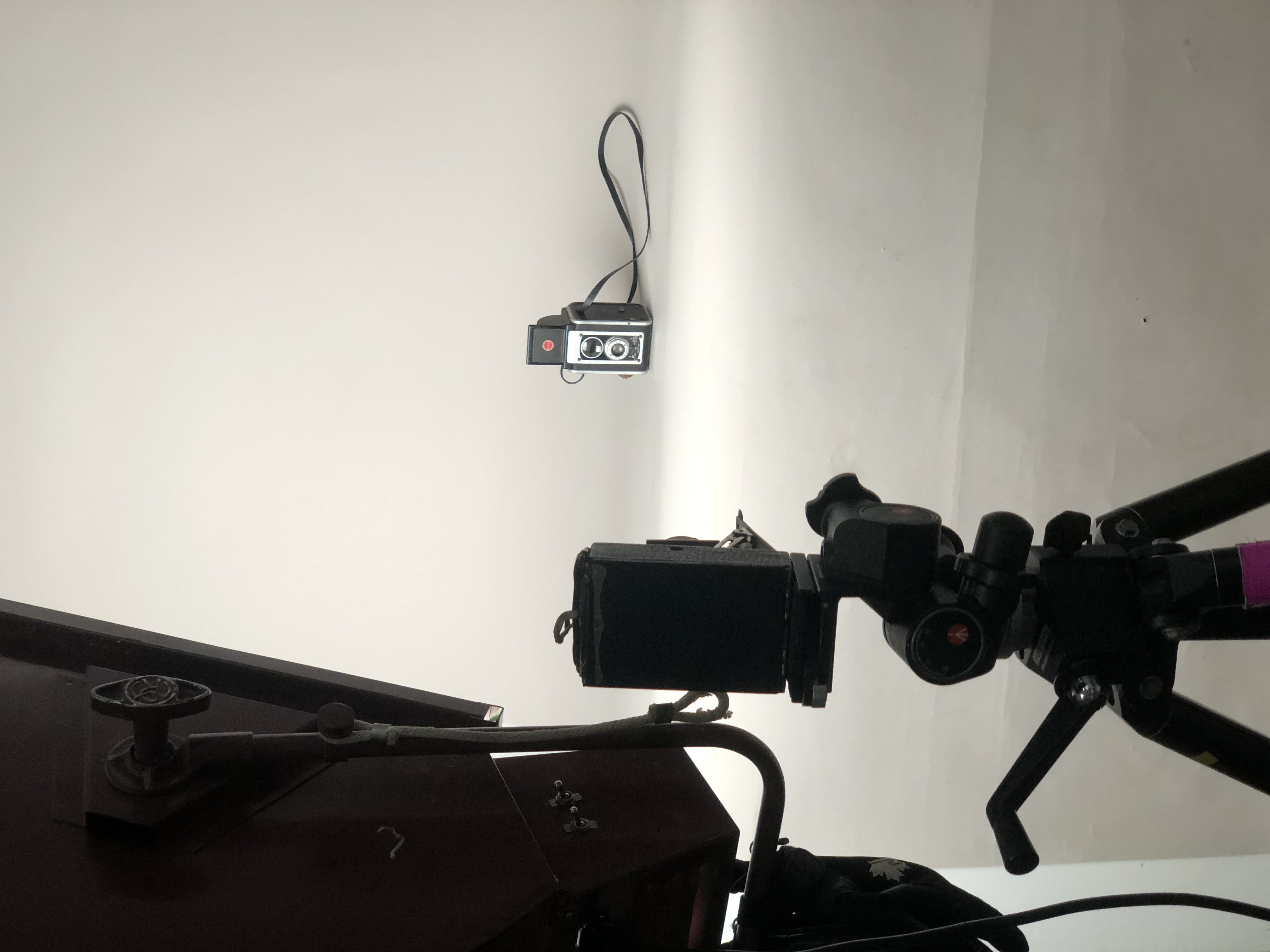
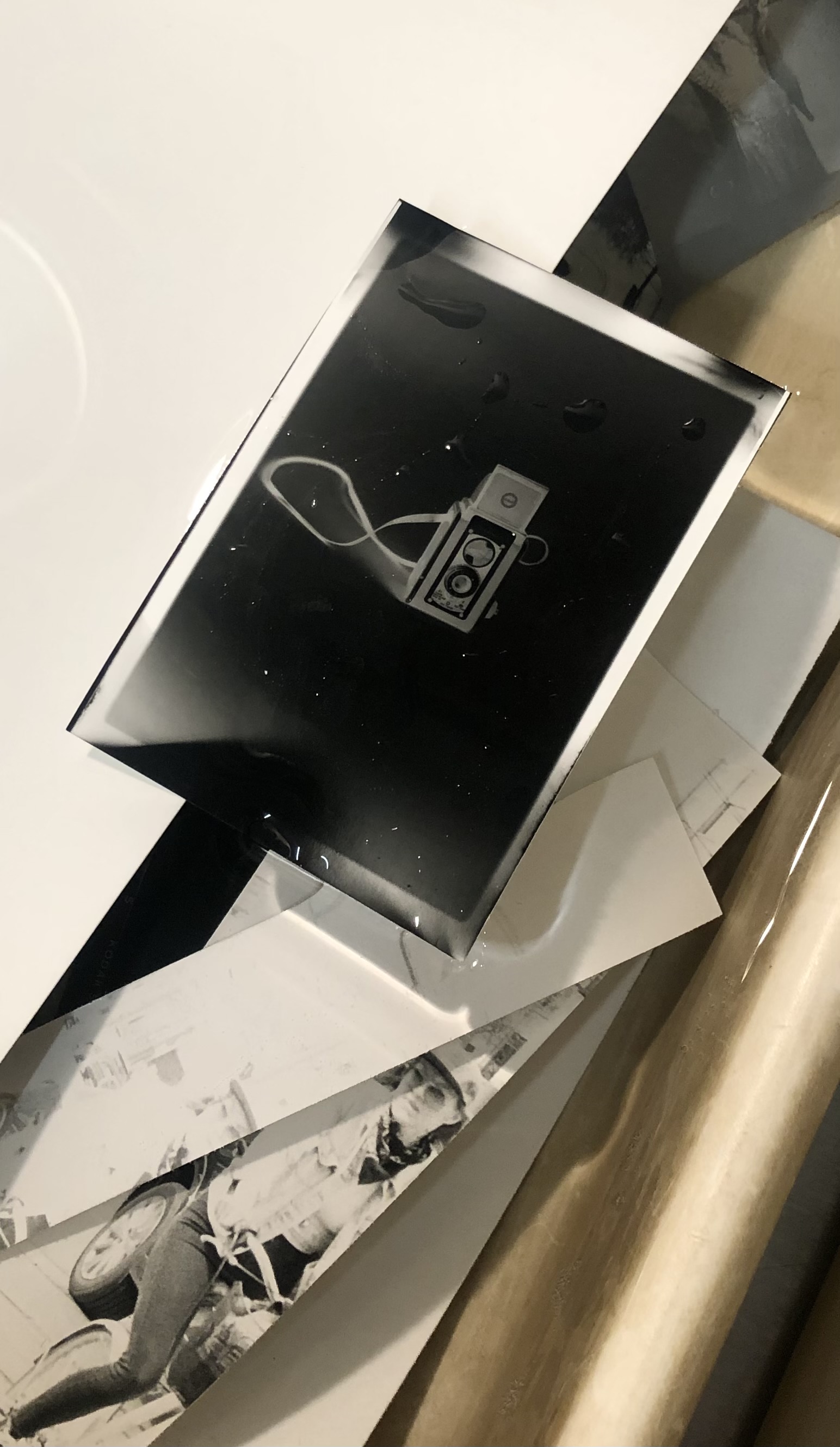
Because of my own interest in photography, at some point I ended up with all of the cameras from one branch of my family tree going back over 100 years. There’s no autofocus, motor drive, or even functional light meters on any of them. I brought the oldest camera into class to see if it could still make an image. We loaded it with photo paper as a cheap alternative to film, and took two photos with it, developing them right away in the darkroom. The first left room to improve, and while the second isn’t perfect either, it proved that the camera works well, creating a negative image of another old camera in which the detail is quite sharp. The camera is now with a friend of a frined who is designing and 3D printing a back for the camera that will let me use commonly available film. It will be really cool to see what this 116 year-old camera can create with modern emulsions.
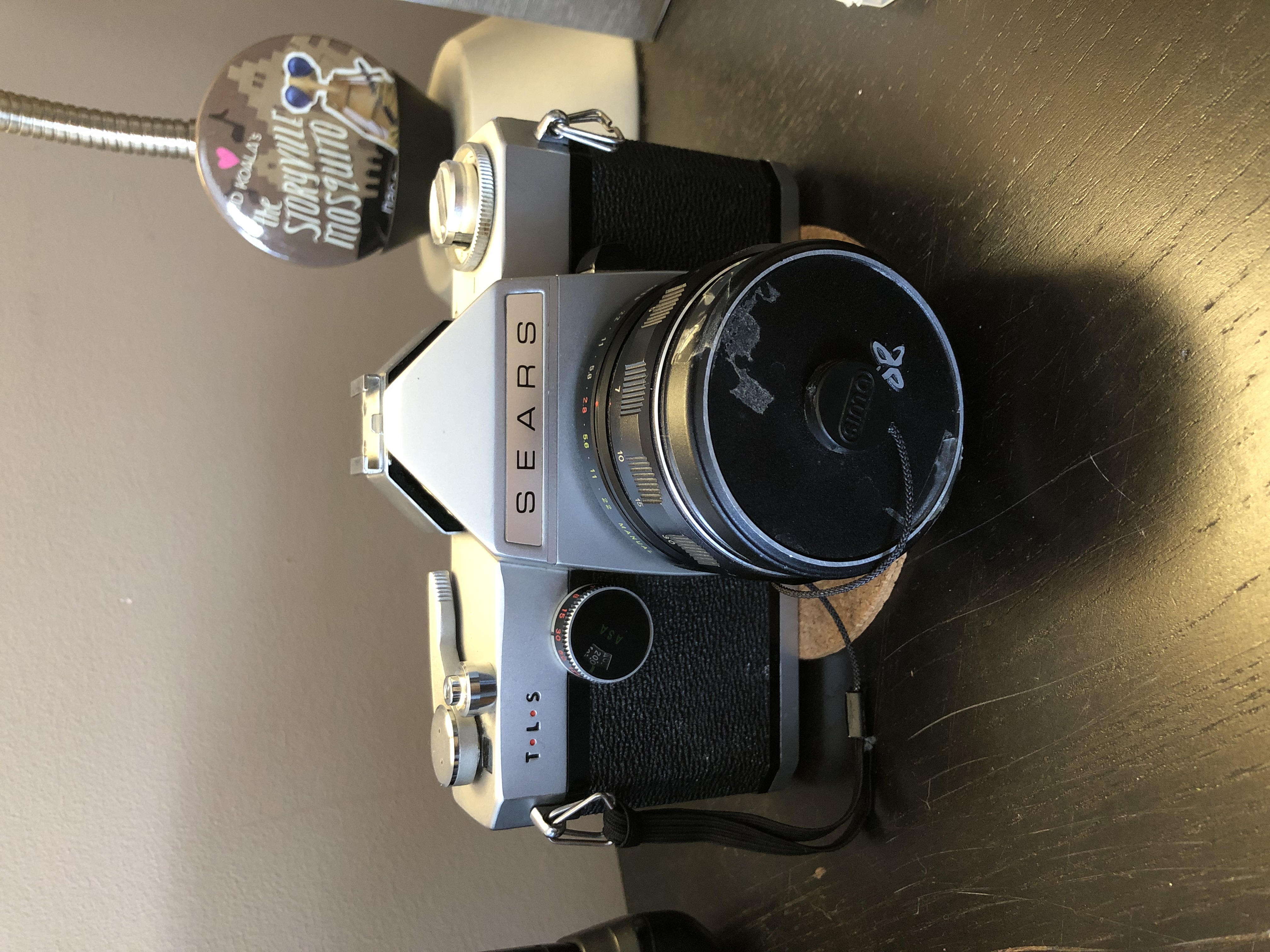
Among the old cameras was my grandfather’s 35mm SLR, which is fully mechanical. I had it serviced because it likely hasn’t been used in close to 40 years, and apart from a light meter that the technicians said is broken and can’t be repaired, it’s in great shape and functions well. Unlike the more modern film camera I have, my grandfather’s has no need for a battery. All of the key core functions are mechanical, with gears and levers and springs making everything work. With some occasional tune ups, this thing should go for decades. Right now though, I am just getting acquainted with having to manual focus and use an external light meter. It slowed me down, but I have managed some decent results.
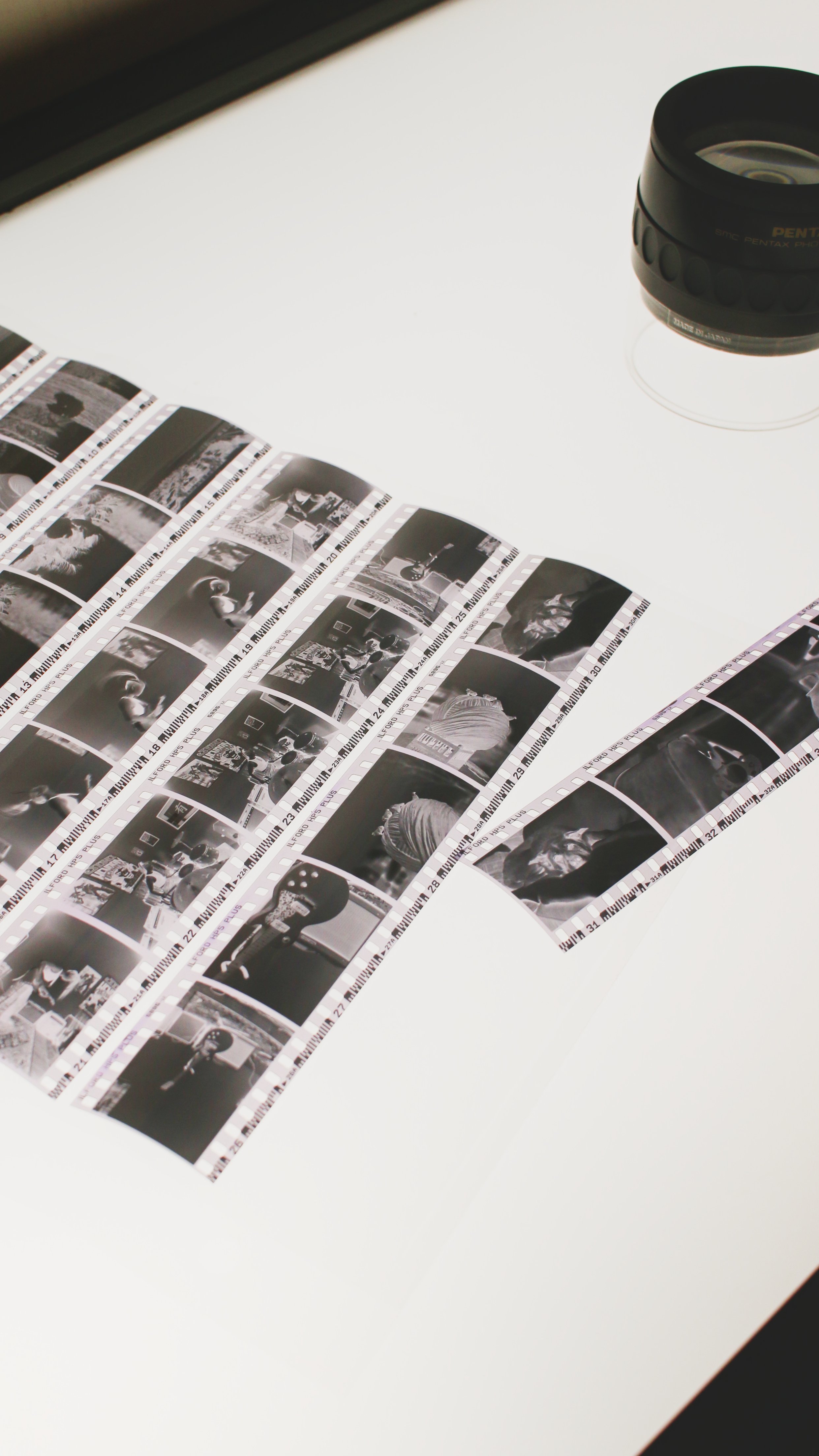
Meanwhile, back in the darkroom, I learned how to develop the rolls I shot in my “modern” film camera and my grandfather's old camera. I’ve also made contact sheets - essentially an 8x10 sheet of photo paper with each photo as a sort of thumbnail image. I did full sized prints of a number of images from both cameras.
Now that spring has generally agreed to show up on most days, the longer dog walks have me thinking over bigger projects in which I can combine my writing skills with my photo work to try to dig more deeply into issues that are close to my heart and mind. But no spoilers for now, just a note that I am scrolling less, watching less, consuming less, and creating more. And it feels good. I feel engaged and inspired.